Dental Bonding in Cedar Hills, Portland, OR
A chipped tooth, a small gap, or stubborn discoloration doesn't always need a major fix. Dental bonding in Cedar Hills is one of the quickest, most conservative cosmetic treatments available, and it can make a real difference in a single visit. At Elite Dental Care, Dr. Zavari takes a minimally invasive approach to every smile concern, so bonding is often her first recommendation when it can genuinely get the job done. New patients are always welcome, and we accept many insurance plans.
Why Dental Bonding Could Be the Right Fix for Your Smile
Composite bonding preserves more of your natural tooth than almost any other cosmetic option. There's no grinding down enamel, no lab wait, and for most patients, no need for anesthesia. The whole process typically wraps up in one appointment.
It's also one of the more affordable paths to a noticeably improved smile. If you've been putting off fixing something because you assumed it would be expensive or complicated, bonding is worth asking about. The results look natural because the resin is shade-matched to your surrounding teeth, and teeth whitening done beforehand can help the final color blend even better.
Common Smile Concerns Bonding Can Correct
- Chipped or cracked teeth
- Small gaps between front teeth
- Tooth discoloration that whitening alone won't resolve
- Teeth that look slightly too short or uneven
- Exposed root surfaces causing sensitivity
What to Expect at Your Dental Bonding Appointment
The appointment starts with a conversation. Dr. Zavari will look at the tooth, talk through what you'd like to change, and confirm bonding is the right fit for your situation.
From there, the process moves quickly:
- The tooth surface is lightly conditioned so the resin will adhere
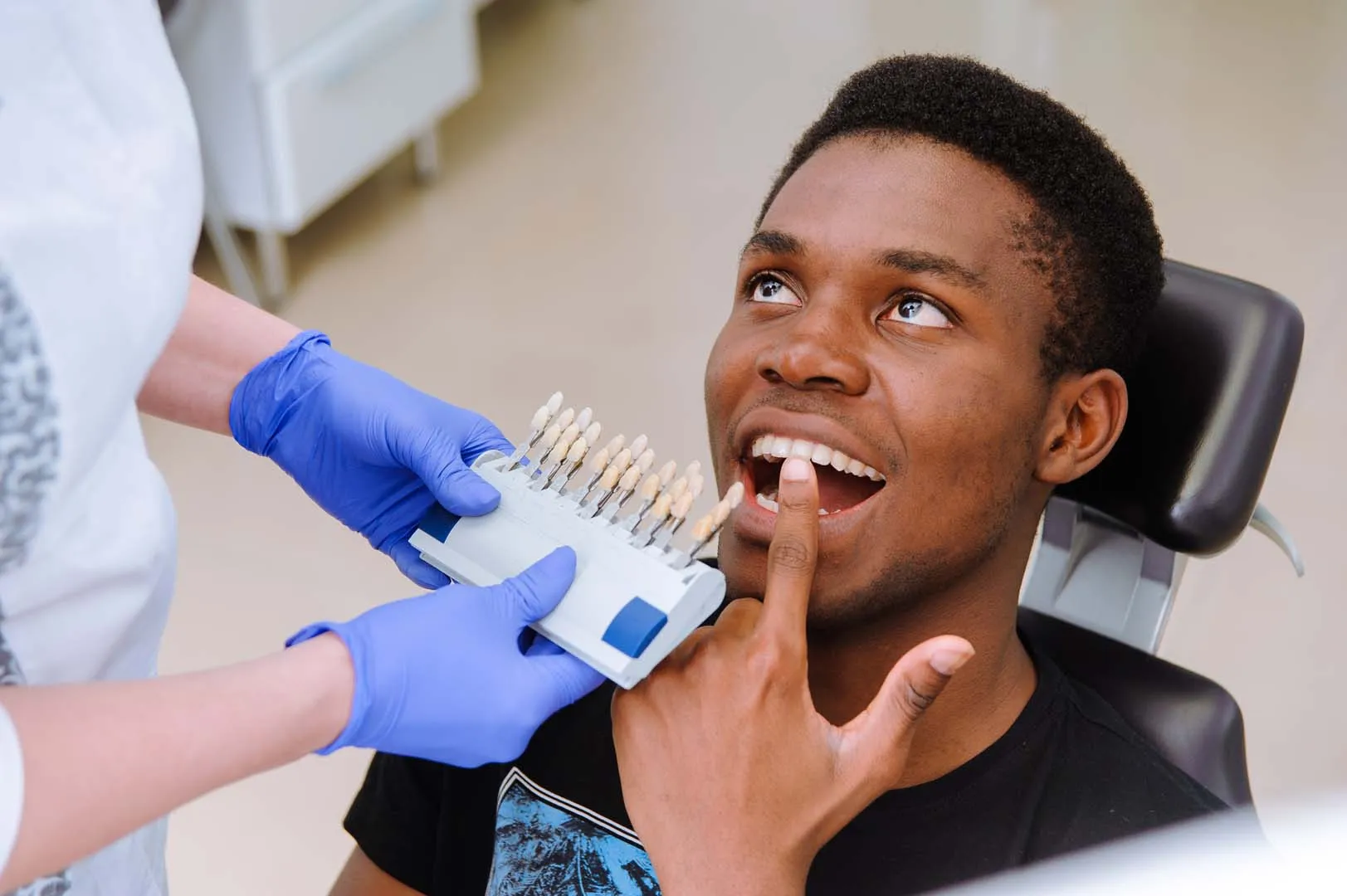
- A shade of composite resin is chosen to match your natural teeth
- The resin is applied, then carefully shaped by hand
- A curing light bonds the material to the tooth in seconds
- The surface is polished until it feels smooth and looks natural
Most single-tooth bonding appointments take between 30 and 60 minutes. You leave the same day with the result you came in for.
How Long Does Dental Bonding Last, and How Do You Care for It?
Bonded teeth typically hold up well for several years with normal care. The resin isn't quite as strong as natural enamel, so a few habits help it last longer:
- Avoid biting directly into hard foods like ice or hard candy
- Don't use your teeth to open packaging
- Brush and floss as you normally would
- Come in for your regular cleanings and checkups
If the bonding chips or wears down over time, it can often be repaired or touched up without replacing the whole restoration. For patients who want a longer-lasting or more uniform result across several teeth, veneers may be a better long-term option. Dr. Zavari can help you weigh both during your visit.
Bonding is also just one piece of a broader smile plan. If you're thinking about a more complete change, our smile makeovers page covers how multiple treatments can work together. You can also explore the full range of options under cosmetic and orthodontic dentistry.
Dental Bonding Questions Answered
Is dental bonding covered by insurance?
Coverage depends on your plan and the reason for treatment. When bonding repairs a chipped or damaged tooth, many plans cover a portion of the cost. Purely cosmetic bonding is less often covered. Our team can review your benefits and help you understand what to expect before your appointment. For more detail on accepted plans and financing, visit our insurance and financing page.
Does dental bonding hurt?
For most patients, bonding is comfortable and requires no anesthesia. The procedure involves lightly conditioning the tooth surface, then applying and shaping the resin. If a tooth is sensitive or the chip is near the nerve, Dr. Zavari will let you know in advance and can take steps to keep you comfortable.
How is bonding different from veneers?
Bonding uses tooth-colored resin applied directly to the tooth and is completed in one visit with little to no enamel removal. Veneers are thin porcelain shells that require a small amount of enamel to be permanently shaped before placement. Bonding is a good first step for minor cosmetic concerns; veneers may be a better fit when you want a longer-lasting or more uniform result across multiple teeth.
What happens if I skip treatment on a chipped tooth?
A small chip can grow into a bigger problem over time. The exposed edge is more vulnerable to further cracking, and the inner layer of the tooth (dentin) can become sensitive or attract decay. Treating it early with bonding is usually faster and less costly than waiting until a crown or other restoration becomes necessary.
Fix That Chip Before Your Next Photo, Your Next Interview, or Just Because You're Ready