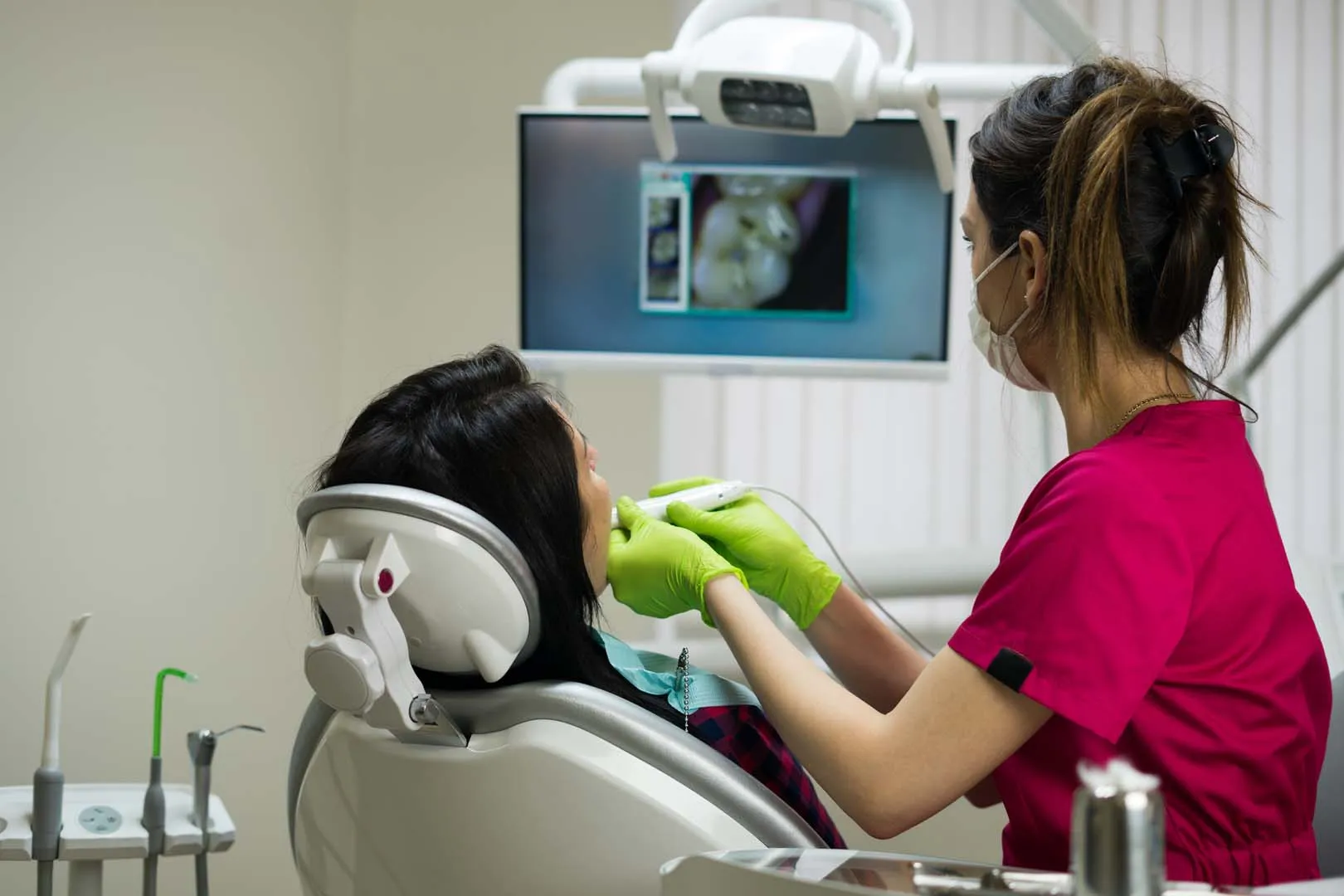
Digital X-Rays and Imaging in Cedar Hills, Portland
Digital X-rays give Dr. Zavari a clear, detailed look at what is happening inside your teeth and below the gumline, all with a fraction of the radiation used by older film-based systems. At Elite Dental Care, most major insurances are accepted and new patients are always welcome. If you have been putting off a dental visit, this is a good place to start.
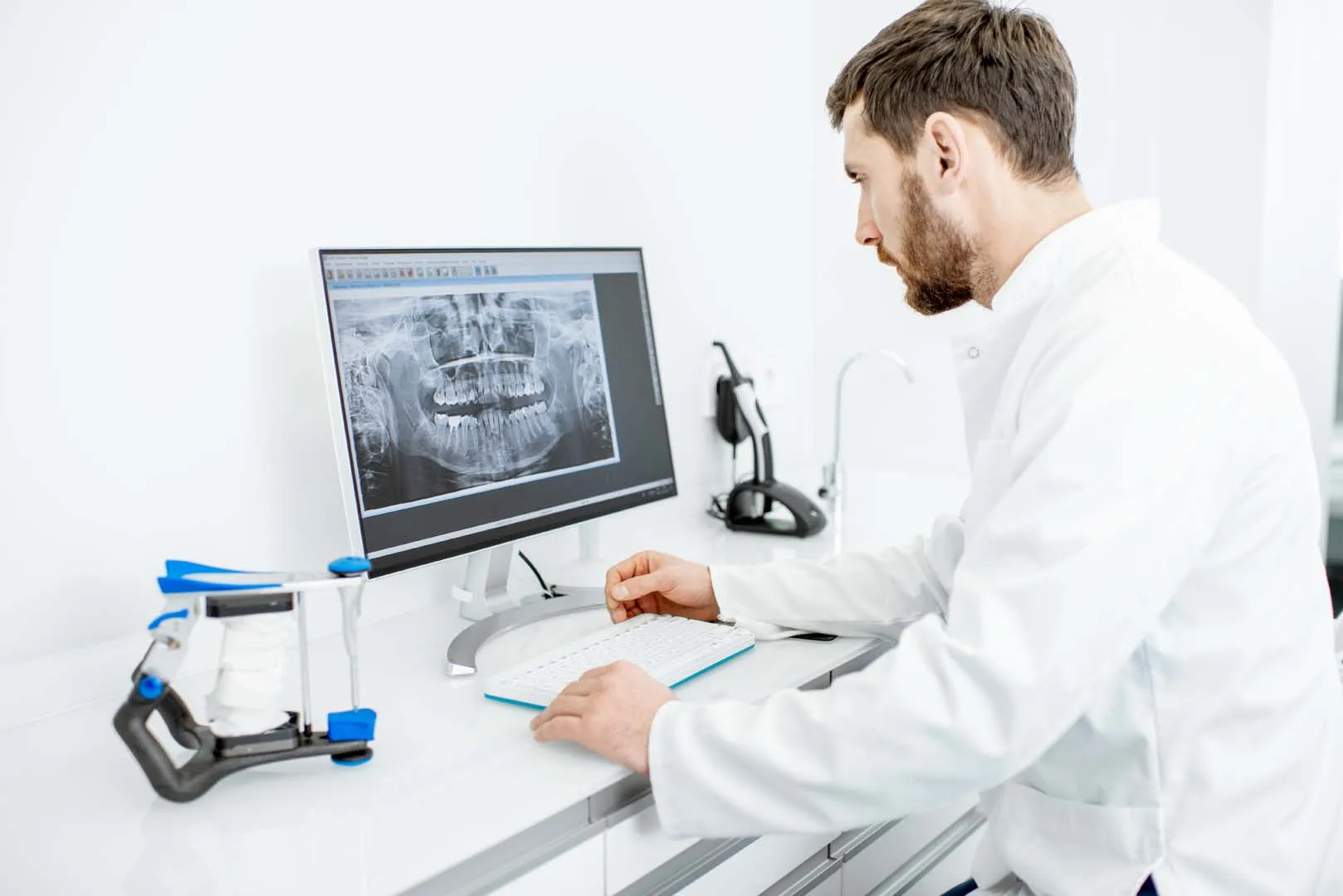
Why Digital X-Rays Are Better for Your Health and Your Time
Lower Radiation, Clearer Images
Digital sensors capture sharp, detailed images while using significantly less radiation than traditional film X-rays. That matters for patients who need X-rays taken regularly over the course of their dental care. The images appear on a chairside screen within seconds, so Dr. Zavari can walk you through exactly what she sees, right then and there.
Faster Results, More Comfortable Visits
There is no film to develop and no waiting. The sensor is small and smooth, which makes placement more comfortable than older bite-wing tabs (the small cards you bite down on to hold film in place). For patients who find dental visits stressful, getting accurate results quickly, with less time in the chair, makes a real difference.
The Benefits of Digital Imaging at Elite Dental Care
Part of our technology approach is choosing tools that make diagnosis more precise while keeping visits as comfortable as possible. Digital imaging fits that goal on both counts.
What Our Digital X-Ray Technology Detects
Digital X-rays help identify problems that are invisible to the naked eye, including:
- Cavities forming between teeth or beneath existing fillings
- Early bone loss around teeth or implants
- Infections at the root tip
- Impacted teeth that have not fully erupted
- Changes in the jaw or surrounding structures
- Issues that may warrant an oral cancer screening
Catching any of these early, before symptoms appear, means simpler and less invasive treatment.
How Digital Imaging Supports Minimally Invasive Care
Dr. Zavari takes a conservative approach to treatment. She prefers to address small problems before they grow into larger ones, and digital imaging is central to that. A tiny cavity spotted on an X-ray can often be treated with a simple filling. Left undetected, the same cavity may eventually require a crown, a root canal, or even an extraction. Accurate imaging is how she avoids recommending more than a patient actually needs.
This philosophy connects directly to our dental exams and cleanings, where X-rays and a thorough clinical exam work together as your first line of defense.
What to Expect During Your Digital X-Ray Appointment
X-rays at Elite Dental Care are quick and straightforward. Here is what typically happens:
- A team member positions a small sensor in your mouth, one area at a time
- You bite gently to hold the sensor in place while the image is captured
- The image appears on screen in seconds
- Dr. Zavari reviews the images with you and explains what she sees in plain language
- If anything needs follow-up, she will walk you through the options before any decisions are made
Most patients find the process far less uncomfortable than they expected. For patients with a strong gag reflex or dental anxiety, let us know ahead of time and we will do what we can to make it easier.
What Happens When Dental Problems Go Undetected
Small dental problems rarely stay small. A cavity that is caught early is a quick fix. The same cavity, missed for another year or two, can reach the nerve and require a root canal. Bone loss that shows up as a faint shadow on an X-ray is manageable early; advanced bone loss can mean tooth loss. Regular imaging is not about finding problems for the sake of it. It is about keeping your options as simple as possible.
Our general and preventive dentistry approach is built around this idea: staying ahead of issues costs less, takes less time, and is easier on patients than treating problems that have had time to grow.
Frequently Asked Questions About Digital Dental X-Rays
Are digital X-rays safe?
Yes. Digital X-rays use significantly less radiation than traditional film X-rays. Combined with lead aprons and careful technique, the exposure is considered very low and appropriate for routine dental care.
How often do I need dental X-rays?
For most adults, bitewing X-rays (the kind that capture the upper and lower teeth together to check for cavities between them) are recommended once a year. A full-mouth series is typically taken every three to five years. Your specific schedule may vary based on your dental history and risk factors. Dr. Zavari will recommend what makes sense for you.
Does insurance cover digital X-rays?
Most dental insurance plans include routine X-rays as part of covered preventive care. Elite Dental Care is in-network with many major insurers, including Delta Dental, Moda, Blue Cross Blue Shield, MetLife, Aetna, and several others. Visit our insurance and financing page or call the office for details on your specific plan.
Are digital X-rays different from traditional film X-rays?
Yes. Digital X-rays use an electronic sensor instead of film, which means no chemical processing, no waiting for development, and images that are available immediately. They also allow Dr. Zavari to zoom in on specific areas and adjust contrast to get a clearer look, something that is not possible with standard film.
Get a Clear Picture of Your Dental Health Before Small Issues Grow
Schedule your visit today. New patients are welcome, most major insurances are accepted, and you will leave knowing exactly where your smile stands.