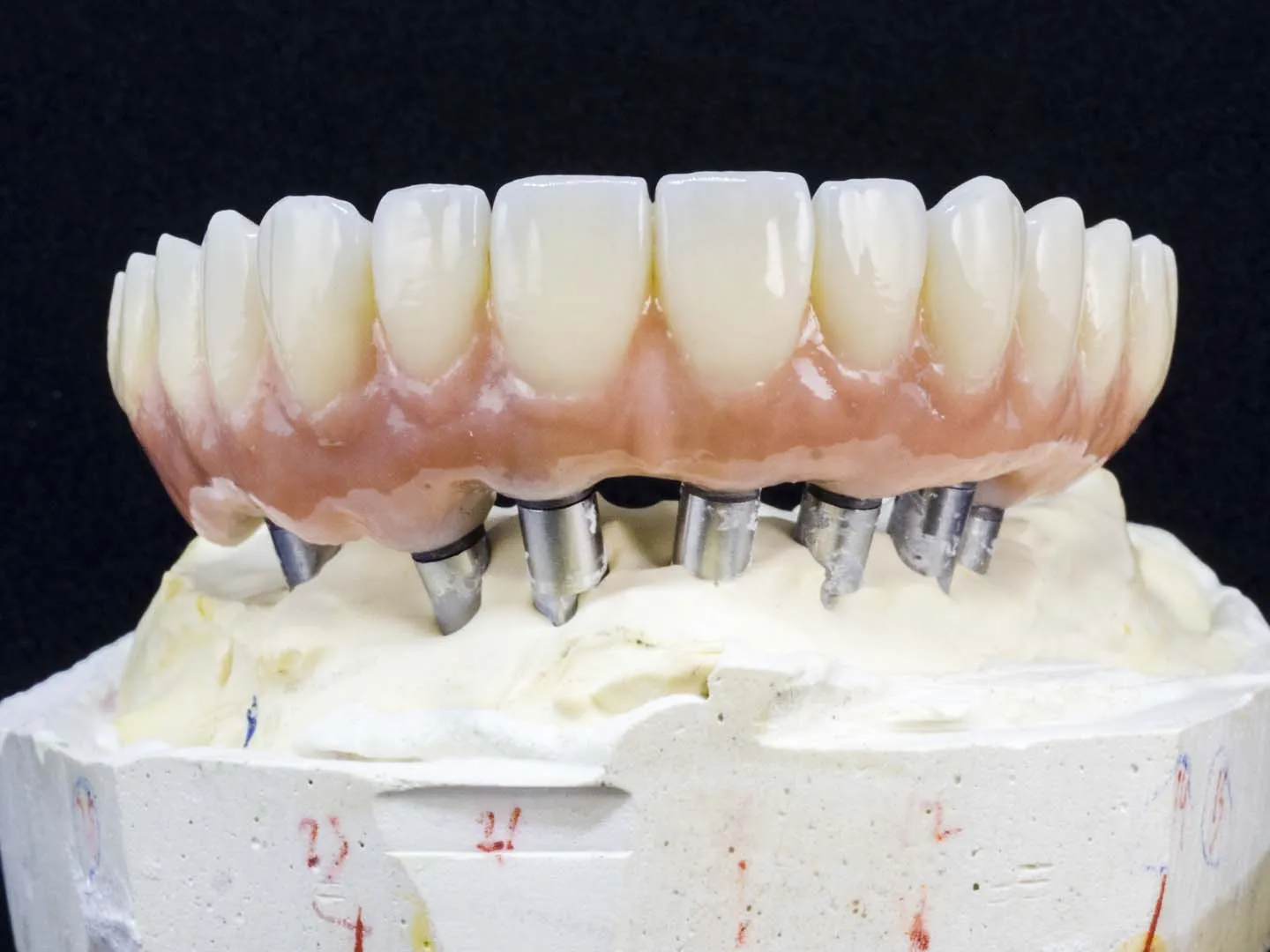
Custom Dentures in Cedar Hills, Portland, OR
Losing teeth is a bigger life moment than most people expect, and deciding what to do next can feel overwhelming. At learn more about Dr. Zavari and our team, Dr. Zavari has spent more than 20 years helping patients through exactly this kind of transition. She takes time to explain your options, answers every question honestly, and only recommends treatment that genuinely fits your situation. The practice accepts most major dental insurance plans and welcomes new patients, so getting started is straightforward.

Restore Your Smile and Confidence with Dentures
For anyone considering dentures, the goal is never just replacing missing teeth. It is getting back to eating comfortably, speaking clearly, and feeling like yourself again. Well-fitted dentures help restore the shape of your face, support your lips and cheeks, and make daily life considerably easier.
Dr. Zavari designs dentures with natural-looking results in mind. The color, shape, and size of each tooth is chosen to complement your features, so the final result is designed to look like your own smile, not a one-size solution. With compassionate, personalized care at every step, Dr. Zavari helps you move toward a confident smile you feel good about.
Beyond appearance, there are real functional benefits. Dentures can help you eat a wider range of foods, which matters for your nutrition and your enjoyment of meals.
Full Dentures vs. Partial Dentures
The right type of denture is determined by how many teeth you are missing and the condition of the teeth that remain.
| Feature | Full Dentures | Partial Dentures |
|---|---|---|
| What they replace | An entire arch (upper, lower, or both) | Several missing teeth in an arch |
| How they stay in place | Suction and natural mouth contours | Small clasps on remaining natural teeth |
| Who they suit | Patients missing all or nearly all teeth in an arch | Patients with healthy remaining teeth |
| Removable | Yes | Yes |
| Helps prevent teeth from shifting | N/A | Yes |
Dr. Zavari will evaluate your bone health, gum tissue, and remaining teeth to recommend the option that serves you best. If extractions are needed first, she can coordinate that as part of your overall plan. You can learn more about what to expect from tooth extractions on that dedicated page.
What to Expect During the Denture Process
Most patients are surprised by how straightforward the process is once they get started. Here is what a typical denture journey looks like at Elite Dental Care:
- Consultation: Dr. Zavari reviews your dental health, discusses your goals, and outlines which type of denture fits your situation. She explains every step before it happens.
- Digital impressions: Using the iTero scanner, we take precise digital impressions of your mouth with no trays or impression material. This makes the fitting process more comfortable and more accurate.
- Custom fabrication: Your dentures are crafted to match your facial structure and tooth color preferences. This is not an off-the-shelf appliance.
- Fitting and adjustments: At your fitting appointment, Dr. Zavari checks the fit, bite, and appearance. Small adjustments are common and expected at this stage.
- Follow-up care: Your mouth will change slightly over time. Regular follow-up visits help ensure your dentures continue to fit well and that your gum tissue stays healthy.
Most patients go through an adjustment period of a few weeks as they get used to speaking and eating with their new dentures. Dr. Zavari and the team are available to answer questions and make adjustments throughout that time.
Dentures vs. Dental Implants: Which Is Right for You?
Both dentures and dental implants address significant tooth loss, and many patients ask which path makes more sense for them. The honest answer is that it depends on your bone health, overall health, budget, and personal priorities. Here is a side-by-side look at the key differences:
| Feature | Dentures | Dental Implants |
|---|---|---|
| Cost | Lower upfront investment | Higher upfront cost |
| Invasiveness | Non-surgical | Surgical procedure |
| Recovery | Adjustment period of a few weeks | Healing period of several months |
| Stability | Removable; may shift over time | Fixed; designed to feel like natural teeth |
| Longevity | May need relining or replacement over time | Can last many years with proper care |
| Bone preservation | Does not prevent bone loss | Helps preserve jawbone |
| Candidacy | Suitable for most patients | Requires adequate bone density and good health |
| Maintenance | Daily removal and cleaning | Brushed and flossed like natural teeth |
Dentures are a proven, accessible solution for patients who want to restore function and appearance without surgery. Implants offer greater stability and long-term bone preservation but require a surgical commitment and a longer timeline. Some patients eventually choose implant-supported dentures, which combine both approaches. Dr. Zavari can walk you through all three paths at your consultation.
Frequently Asked Questions About Dentures
How long do dentures last?
Dentures can last for a number of years, but your mouth changes shape over time. That means they may eventually need to be relined (reshaped to fit your gums again) or replaced. Regular follow-up visits help Dr. Zavari catch fit changes early so your dentures keep working comfortably.
Are dentures covered by dental insurance?
Many dental insurance plans include some coverage for dentures, though the amount varies by plan. Elite Dental Care accepts most major insurance plans, and our team can help you understand your benefits before treatment begins. Visit our Insurance & Financing page for more detail, or ask at your consultation.
What happens if I delay replacing missing teeth?
Missing teeth affect more than your smile. Over time, the bone beneath the gap can shrink, neighboring teeth may shift out of alignment, and your bite can change in ways that strain your jaw. Addressing tooth loss sooner generally preserves more of your natural bone structure and keeps more treatment options open.
Can I eat normally with dentures?
Most patients adjust to eating with dentures within a few weeks. Starting with softer foods and working up gradually is the typical approach. Some foods, such as very sticky or extremely hard items, may always require extra care. The majority of patients find they can enjoy a varied, nutritious diet comfortably once they are through the adjustment period.
How do I care for my dentures?
Remove your dentures at night and soak them in water or a denture-cleaning solution. Brush them daily with a soft brush made for dentures and a non-abrasive denture cleaner, since regular toothpaste is too harsh and can scratch the surface. Rinse your mouth and gums each morning before putting them back in. Properly maintained dentures work alongside a broader restorative dentistry plan, which may include options like dental bridges if your needs change over time.
Find Out Which Denture Option Fits Your Life
You do not have to figure this out on your own. Dr. Zavari will sit down with you, walk through your options clearly, and give you an honest recommendation with no pressure. New patients are always welcome at our Cedar Hills location.