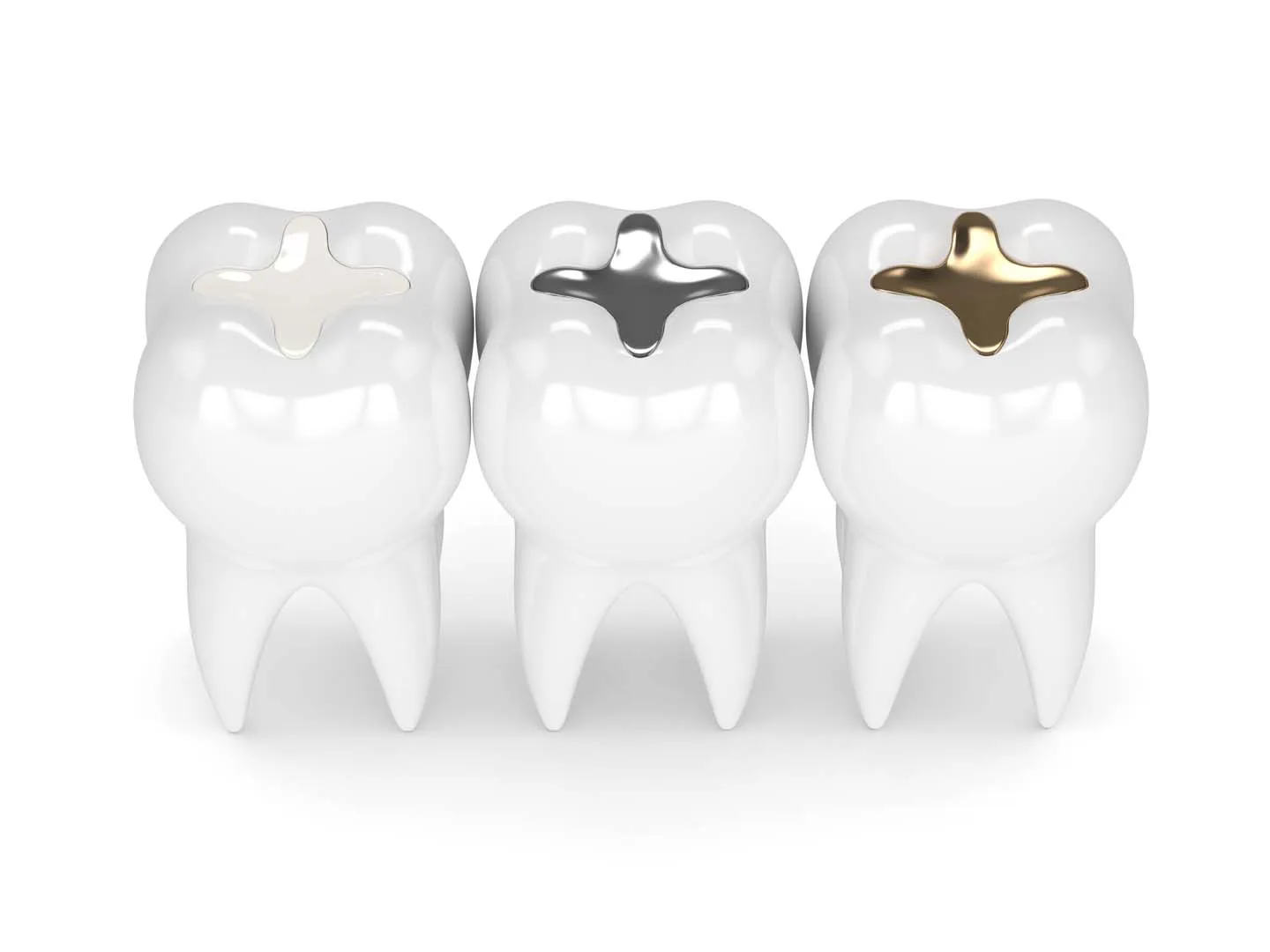
Tooth Fillings in Cedar Hills, Portland, OR
A cavity is one of the most common dental concerns there is, and treating it early is one of the simplest things you can do for your long-term health. At Elite Dental Care, we offer tooth-colored composite fillings for patients in Cedar Hills and the surrounding Portland area. We welcome new patients, work with most major insurance plans including Delta Dental and Moda, and keep appointments efficient so you can get in, get treated, and get back to your day.

Why Cedar Hills Patients Choose Elite Dental Care for Fillings
Patients choose us because we treat only what actually needs treating. Dr. Zavari takes a conservative, minimally invasive approach to every appointment, which means she removes the smallest amount of healthy tooth structure possible to get the job done right. No upselling, no unnecessary procedures.
A few more reasons patients keep coming back:
- Tooth-colored composite material that blends naturally with your smile
- In-network with Delta Dental, Moda, ODS, MetLife, Aetna, Cigna, and more
- New patients always welcome
- Appointments that run on time, without double-booking
- A calm, unhurried environment that works well for patients who feel nervous at the dentist
Our fillings are part of our General & Preventive Dentistry program, which focuses on keeping small problems small.
Types of Tooth Fillings We Offer
Composite (Tooth-Colored) Fillings
Composite resin is the material we use for the vast majority of cavity fillings. It bonds directly to the tooth, which lets us preserve more of your natural tooth structure compared to older materials. The result looks like a natural part of your tooth, not a patch. Most filling appointments take less than an hour from start to finish.
We may also use DIAGNOdent, a laser cavity-detection tool, to catch decay at its earliest stage. Finding a cavity early means a smaller, simpler filling and less time in the chair.
When a Filling May Not Be Enough
If decay has spread further than a filling can address, a different restoration may be the right answer. A tooth with significant structural damage may need a crown to protect it. A tooth with infection reaching the nerve may need a root canal before it can be restored. And a tooth that cannot be saved may need to be extracted.
Dr. Zavari will always tell you exactly what she finds and explain your options clearly. The goal is to handle things at the simplest level possible. Routine dental exams and cleanings are the best way to catch problems before they reach that point.
What to Expect During Your Filling Appointment
The process is straightforward and usually completed in a single visit:
- Exam and X-ray: We confirm the location and depth of the cavity
- Numbing: Local anesthesia is applied so you stay comfortable throughout
- Decay removal: Dr. Zavari carefully removes only the affected portion of the tooth
- Filling placement: The composite resin is placed in thin layers and hardened with a curing light
- Bite check: We shape and polish the filling so it fits your bite naturally
Most patients leave the same day with a restored tooth and very little soreness afterward.
What Happens If a Cavity Goes Untreated?
Decay does not stop on its own. A small cavity that could be fixed with a simple filling today can grow into a larger problem over months and years. Left long enough, decay can reach the inner pulp of the tooth, which often means a root canal is needed instead of just a filling. In more advanced cases, the tooth may need to be extracted entirely.
Treating a cavity early is almost always less time, less cost, and less discomfort than treating the same tooth later. If you have a toothache or sensitivity that is nagging at you, our same-day emergency appointments can help you get answers quickly. Dental anxiety is also something we take seriously. If nerves are part of what has kept you from coming in, sedation dentistry is available to help make the visit more manageable.
Tooth Fillings FAQ
How do I know if I need a filling?
Common signs include tooth sensitivity to hot or cold, a visible dark spot on a tooth, or a rough edge you can feel with your tongue. The most reliable way to know is a dental exam with X-rays. Sometimes cavities show no symptoms at all, which is why routine checkups matter.
Are composite fillings covered by insurance?
Most dental insurance plans cover tooth-colored composite fillings, though coverage can vary depending on which tooth is being treated and your specific plan. We are in-network with Delta Dental, Moda, ODS, MetLife, Aetna, Cigna, and several other major carriers. Our team is glad to help you check your benefits before your appointment. You can also review your options on our Insurance & Financing page.
How long do tooth fillings last?
Composite fillings typically last many years with good oral hygiene and regular checkups. The exact lifespan depends on the size and location of the filling, your bite habits, and how well the tooth is cared for at home. Dr. Zavari will let you know what to expect based on your specific situation.
Will getting a filling hurt?
Most patients feel little to no discomfort during a filling appointment. We use local anesthesia to numb the area first, so the actual procedure is usually painless. If dental anxiety is a concern, we also offer sedation options to help you stay comfortable and relaxed throughout.
Ready to Take Care of That Cavity Today?
A filling now is almost always simpler, faster, and easier on your wallet than the treatment you may need a year from now. Schedule with Dr. Zavari and the team at Elite Dental Care and get it handled.