Dental Crowns in Cedar Hills, Portland, OR
A damaged or weakened tooth does not have to mean tooth loss. At Elite Dental Care, patients across Cedar Hills and the surrounding Portland area get dental crowns that protect their teeth and fit naturally alongside the rest of their smile. Dr. Zavari brings more than 20 years of restorative experience to every crown case, using a conservative approach that saves as much of your natural tooth as possible. We accept Delta Dental, Moda, and many other plans, and our team works to make scheduling as efficient as possible so you spend less time waiting and more time feeling better.
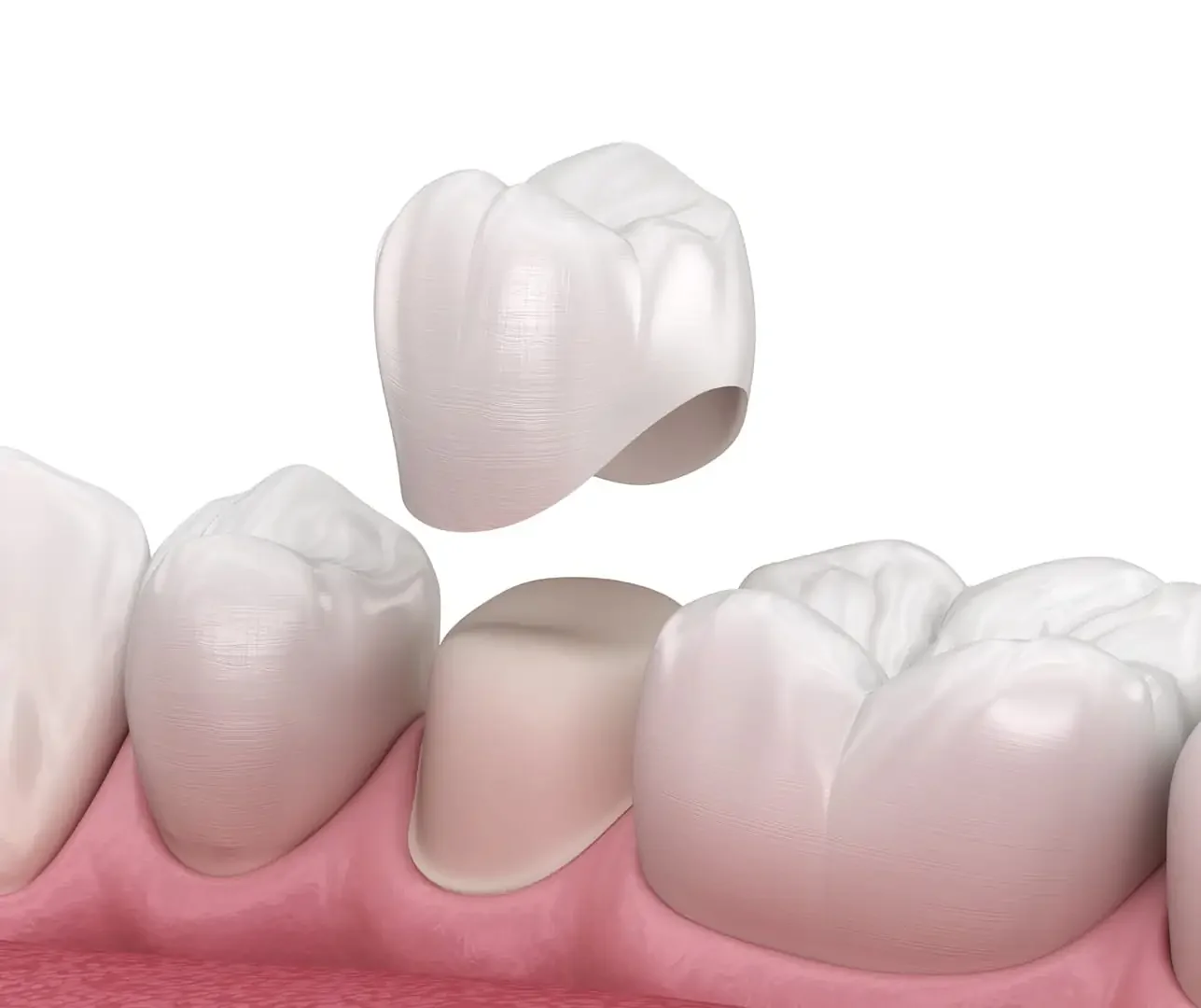
Why Dental Crowns Are One of Dentistry's Most Versatile Restorations
A crown is a tooth-shaped cap that fits over the entire visible portion of a tooth, restoring its shape, strength, and function. It is part of our restorative dentistry services and is one of the most clinically useful tools in dentistry because it works in so many different situations.
Crowns are commonly placed when a tooth has:
- A crack or fracture that puts it at risk of splitting further
- Decay too large for a filling to reliably hold
- A broken or missing cusp
- Worn enamel from grinding or acid erosion
- Just completed a root canal and needs structural protection
- An unusual shape or size that affects bite or function
Because the crown wraps around the full tooth, it distributes chewing forces evenly and shields the inner structure from further damage.
What Happens If a Damaged Tooth Goes Without a Crown?
Skipping a recommended crown rarely saves the tooth. A cracked or structurally weak tooth tends to worsen under the daily pressure of chewing. What starts as a manageable crack can progress to a full fracture, deep infection, or a tooth that cannot be saved at all.
When that happens, the next step is often an extraction followed by a dental implant or another replacement option. That path costs more, takes longer, and is far harder on your schedule than placing a crown when it is first recommended. Acting early almost always leads to a simpler, less expensive outcome.
What to Expect During Your Crown Appointment at Elite Dental Care
Many patients feel anxious about crown procedures because they are not sure what is involved. Here is a straightforward look at what typically happens.
First visit: exam and tooth preparation
Dr. Zavari examines the tooth and takes digital images to confirm a crown is the right choice. The tooth is then shaped to make room for the crown, and digital impressions are taken using our iTero scanner. No messy impression trays are involved. A temporary crown is placed to protect the tooth while your final restoration is being made.
Final visit: crown delivery
When your permanent crown is ready, the temporary is removed, and the final crown is checked for fit, bite, and color before it is cemented into place. Patients consistently note how efficient this process is. One patient shared that within a single visit they had both a temporary and a new permanent crown, reflecting the practice's focus on respecting your time.
If you tend to feel nervous at the dentist, let our team know before your appointment. We have helped many self-described dentist-averse patients get through crown procedures comfortably, and we are glad to walk you through each step as we go.
Crown Materials We Offer
Not every tooth needs the same type of crown. Dr. Zavari will recommend a material based on where the tooth sits in your mouth, how much force it takes when you chew, and what look you want.
Porcelain (all-ceramic) Made entirely of tooth-colored ceramic, porcelain crowns blend in seamlessly with surrounding teeth. They are a popular choice for front teeth where appearance is the priority.
Zirconia Zirconia is an extremely durable tooth-colored material that holds up well under heavy chewing pressure. It works well for back molars and for patients who grind their teeth, offering both strength and a natural appearance.
Porcelain-fused-to-metal (PFM) A metal interior is covered with a porcelain exterior, giving this crown good strength alongside a tooth-colored look. PFM crowns have a long track record and may be recommended in specific bite situations.
Crowns also play a key role in dental bridges, where they anchor the replacement tooth on either side of a gap. And for teeth that have had root canal treatment, a crown is the standard next step to protect the treated tooth and restore normal function.
Frequently Asked Questions About Dental Crowns
How long do dental crowns last?
With good brushing, flossing, and regular checkups, most crowns last 10 to 15 years or longer. The material chosen and how well you care for it day to day make the biggest difference in longevity.
Are dental crowns covered by insurance?
Many dental insurance plans, including Delta Dental and Moda, cover crowns when they are placed for restorative reasons such as a cracked or decayed tooth. Coverage levels vary by plan, so our team will review your benefits before treatment and explain what to expect out of pocket. Visit our Insurance and Financing page for a full list of accepted plans and financing options.
Will getting a crown hurt?
The tooth and surrounding area are numbed before any work begins, so most patients feel little to nothing during the procedure. Some mild soreness around the gum line is normal in the day or two after the appointment and typically fades quickly.
How is a crown different from a filling or a veneer?
A filling repairs a small area of decay inside a tooth while leaving most of the outer structure intact. A veneer is a thin shell bonded to the front surface of a tooth, mainly for cosmetic purposes. A crown covers the entire visible tooth above the gum line, making it the right choice when a tooth is too damaged or weakened for a filling to hold reliably.
Ready to Protect Your Tooth and Get Back to Normal?
A crown placed at the right time can save a tooth that would otherwise be lost. If your dentist has recommended one, or if you have a cracked or uncomfortable tooth you have been putting off, this is a good moment to take the next step.