Gentle Root Canal Treatment in Cedar Hills, Portland
Tooth pain that keeps you up at night, a jaw that throbs when you chew, or a tooth that is suddenly sensitive to heat, these are signs something is wrong inside the tooth, and waiting rarely makes it better. At Elite Dental Care, we welcome new patients who need relief right away, and we accept most major dental insurance plans to make treatment as straightforward as possible. If you have been putting off a root canal near Portland because you are worried about pain or cost, Dr. Zavari's comfort-first approach may change how you feel about the whole experience.
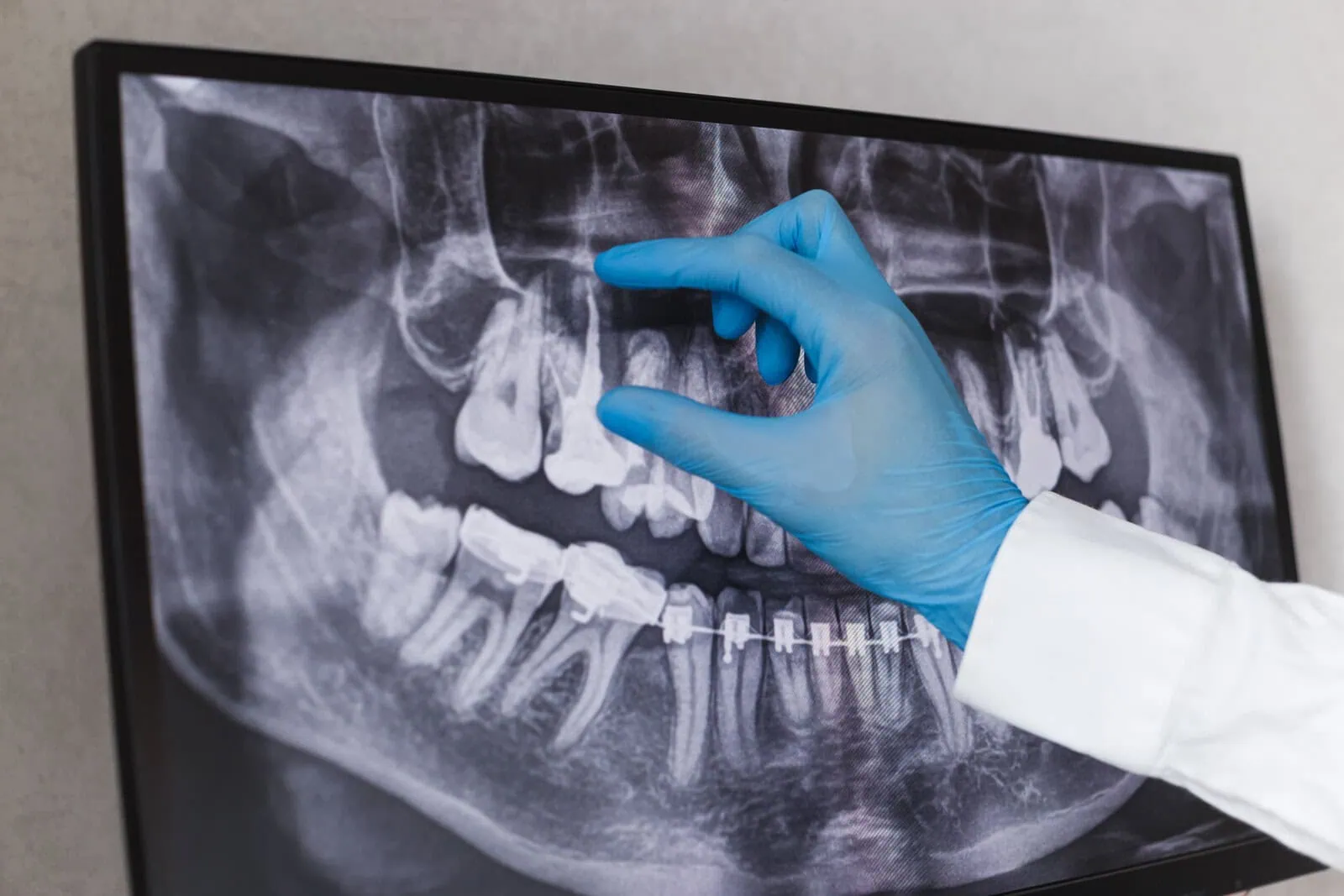
Why a Root Canal Is the Right Choice for Your Tooth
A root canal saves a tooth that would otherwise need to come out. The procedure removes infected or damaged tissue from inside the tooth, called the pulp, cleans the space, and seals it so the infection cannot return. Your natural tooth stays in place, continues to function normally, and keeps the surrounding bone healthy.
For patients in Cedar Hills exploring a root canal in Portland, tooth preservation is almost always the preferred path. Your natural tooth is stronger than any replacement, easier on your jaw, and does not require the ongoing care that implants or bridges need over time. Our restorative dentistry approach starts with saving what you have before considering any other option.
What Happens If You Delay Treatment
An infected tooth does not heal on its own. Left untreated, the infection can spread to surrounding teeth, the jawbone, and in serious cases, deeper tissues. You may also lose the tooth entirely, which means facing a more complex and often more costly replacement later. Addressing the problem early protects both your health and your wallet.
What to Expect During Your Root Canal at Elite Dental Care
A lot of the anxiety around this procedure comes from old stories and outdated techniques. Today's endodontic treatment is quieter, faster, and far more comfortable than most patients expect.
Here is how the process typically unfolds:
- Diagnosis and imaging: Dr. Zavari reviews digital X-rays to assess the infection and confirm that a root canal is the right treatment for your tooth.
- Anesthesia: The area is fully numbed before anything begins. You should feel pressure during the procedure, but not pain.
- Cleaning and shaping: The infected pulp is carefully removed, and the inside of the tooth is cleaned and shaped to prevent re-infection.
- Sealing: The cleaned space is filled and sealed with a biocompatible material to close it off permanently.
- Crown placement: Most treated teeth need a dental crown to restore full strength and protect the tooth long-term. Dr. Zavari will let you know if that applies to your case.
If you are in pain and need to be seen quickly, our same-day emergency appointments are available for patients who cannot wait.
Root Canal vs. Tooth Extraction: Which Is Right for You?
When a tooth is badly infected or damaged, you generally have two options: save it with a root canal or remove it. Both resolve the immediate problem, but they lead to very different outcomes. In most cases, Dr. Zavari recommends saving the tooth when it is structurally viable, that conservative approach is a core part of how she practices dentistry.
| Feature | Root Canal | Tooth Extraction |
|---|---|---|
| Natural tooth preserved | Yes | No |
| Bone loss risk over time | Minimal | Higher without implant |
| Follow-up restoration needed | Crown (usually) | Implant, bridge, or denture |
| Treatment sessions (typical) | 1-2 | 1 (plus replacement planning) |
| Long-term cost consideration | Often lower overall | Higher if implant placed |
If extraction is ultimately the better path for your situation, our tooth extractions page explains what that process looks like and what comes next.
Frequently Asked Questions About Root Canals
Is a root canal painful?
Most patients are surprised by how comfortable a root canal feels. Modern anesthesia numbs the area thoroughly before treatment begins, so you should feel pressure but not pain. Many patients say the soreness from the infection beforehand is far worse than the procedure itself.
How many appointments will I need?
Most root canals are completed in one or two appointments. The first visit handles cleaning and sealing the tooth; a follow-up may be scheduled to place a permanent crown. Dr. Zavari will give you a clear timeline at your exam.
Will I need a crown after my root canal?
In most cases, yes. A crown protects the treated tooth and restores its full biting strength. Dr. Zavari will discuss whether a crown is the right next step for your specific tooth.
Does insurance cover root canal treatment?
Many dental insurance plans cover root canal treatment, at least in part, because it is considered a restorative procedure. Elite Dental Care is in-network with a number of major plans. Visit our Insurance and Financing page or call our office to confirm your specific coverage before your appointment.
Ready to Stop the Pain and Save Your Tooth?
You do not have to keep waiting and hoping the discomfort goes away. Dr. Zavari and our team are here to help you get out of pain and keep your smile intact, with gentle care that puts your comfort first from start to finish.