Sleep Apnea Treatment in Cedar Hills, Portland, OR
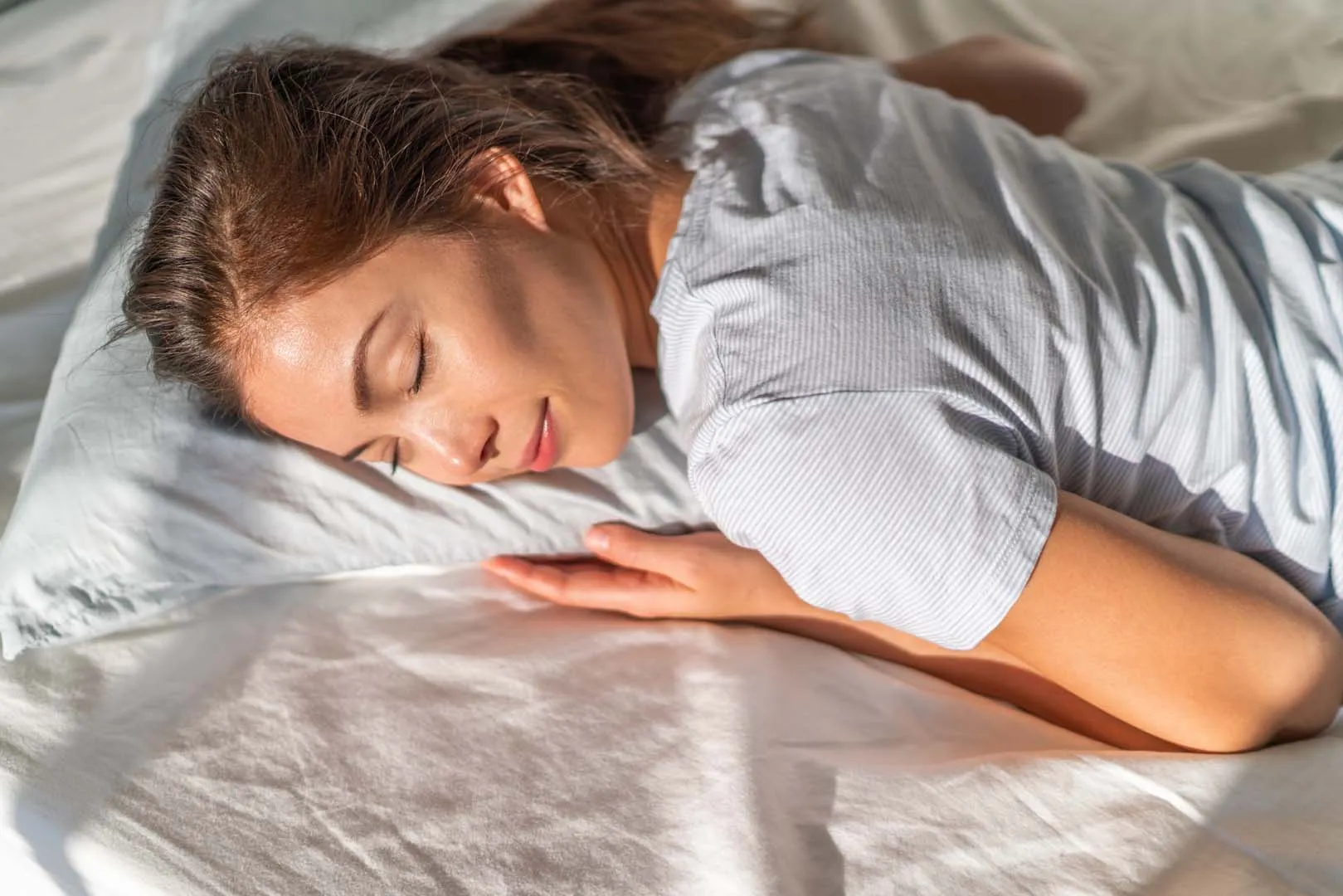
You wake up exhausted even after a full night in bed. Your partner nudges you awake because your snoring kept them up again. You push through the day wondering why rest never actually feels restful. If any of that sounds familiar, sleep apnea may be the reason, and Elite Dental Care offers a quiet, comfortable solution that does not involve a machine on your nightstand. Dr. Zavari has been helping patients in the Cedar Hills and Beaverton area with dental sleep medicine for more than 20 years, and new patients are always welcome.
Why Patients Choose Elite Dental Care for Sleep Apnea Treatment
Sleep apnea is a medical condition, but a dentist is often the right first call. The mouth and jaw play a direct role in how your airway behaves while you sleep, and a well-fitted oral appliance can make a meaningful difference, especially for mild-to-moderate obstructive sleep apnea. Patients come here because they want a real conversation, not a one-size-fits-all answer.
A few things that matter to the patients we see:
- More than two decades of experience with dental sleep medicine in the Portland area
- Conservative approach: Dr. Zavari recommends only what is genuinely indicated for your situation
- Custom-fitted appliances made from precise digital impressions, not generic trays
- No double-booking; your appointment time is focused entirely on you
- Tuesday evening hours for patients who cannot get away during the day
- In-network with many major insurance plans, with financing through CareCredit and LendingPoint
A Conservative, Minimally Invasive Approach to Better Sleep
Dr. Zavari's treatment philosophy starts with education. Before anything is recommended, she wants you to understand what is happening in your airway, why it matters, and what your options are. That means no pressure, no upselling, and no treatment you do not fully understand first. For many patients, a custom oral appliance is the least invasive path to real relief, and that is exactly the kind of solution she looks for first.
What Happens When Sleep Apnea Goes Untreated
It is easy to dismiss poor sleep as a lifestyle issue. But untreated sleep apnea puts real strain on your body over time. Each time your airway closes during the night, your oxygen levels drop and your heart works harder to compensate. Repeated night after night, that adds up.
Research consistently links untreated sleep apnea to elevated risk of high blood pressure, heart disease, and stroke. Daytime fatigue from fragmented sleep affects concentration, mood, and reaction time, creating risks at work and behind the wheel. Relationships suffer too, when a partner is losing sleep alongside you. And the condition itself tends to worsen without intervention, meaning the longer it goes unaddressed, the harder it becomes to manage.
Getting evaluated sooner gives you more options and, often, a simpler path to relief.
How Dental Sleep Apnea Treatment Works
Sleep apnea treatment through a dentist focuses on the position of your jaw and tongue during sleep. A custom oral appliance holds your lower jaw slightly forward, which keeps the airway open and prevents the soft tissue collapse that causes apnea events and snoring. It is small, fits in a travel case, and makes no noise.
Your First Visit: Assessment and Oral Evaluation
Your first appointment is a conversation and an examination. Dr. Zavari will ask about your sleep patterns, any symptoms you or your partner have noticed, and whether you have had a formal sleep study. She will examine your teeth, jaw, and bite to understand your anatomy and identify any related issues like jaw tension or tooth wear that may be connected. From there, she will walk you through what she found and what she recommends, with no jargon and no rushing.
If you have not had a sleep study yet, she can help you understand when that step is needed and how to coordinate with your physician.
Custom Oral Appliance Therapy vs. CPAP
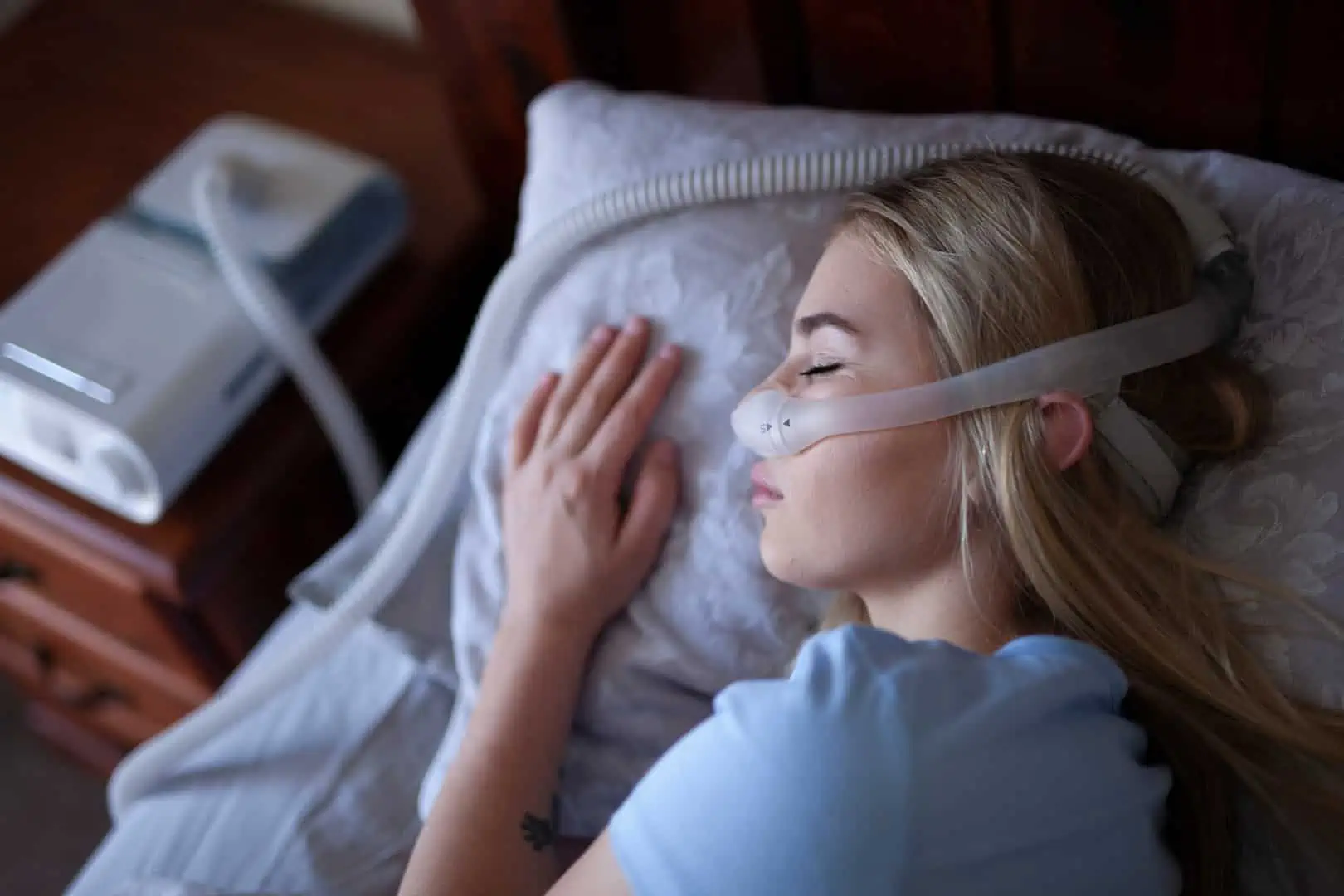
For patients with mild-to-moderate obstructive sleep apnea, oral appliance therapy is a well-established alternative to CPAP. Both treat the same underlying problem; they just do it differently. Here is a side-by-side look at how the two compare:
| Feature | Oral Appliance | CPAP Machine |
|---|---|---|
| Comfort | Worn in the mouth, no mask or straps | Requires a full mask and headgear |
| Portability | Fits in a small case, travel-ready | Bulky machine, requires power source |
| Maintenance | Rinse and brush daily | Regular filter and mask cleaning |
| Noise | Silent | Machine produces continuous airflow noise |
| Dentist-Managed | Yes, fitted and adjusted by Dr. Zavari | No, managed through a sleep physician |
Many patients who have tried CPAP and struggled with it find oral appliance therapy easier to wear consistently. Consistent use is what makes any treatment effective, and a device that stays on your nightstand unused does not help. Dr. Zavari will help you determine which path fits your diagnosis and your life.
Getting Your Custom-Fitted Appliance
Once Dr. Zavari confirms that oral appliance therapy is appropriate for you, the process is straightforward. Digital impressions of your teeth and bite are taken at the office, with no trays or impression material required. Those records go to a dental lab, where your appliance is fabricated to fit your specific anatomy. When it arrives, you come back for a fitting appointment where Dr. Zavari seats the appliance, checks the fit and bite, and walks you through how to wear and care for it. Follow-up visits allow for fine-tuning as your jaw adapts.
Conditions We Treat Alongside Sleep Apnea
Sleep apnea rarely shows up alone. Jaw tension, teeth grinding, and snoring often travel together, and addressing them as a connected picture tends to produce better results than treating each one separately.
Snoring and Snore Guards
Not everyone who snores has sleep apnea, but snoring is almost always a sign that the airway is partially obstructed during sleep. A custom snore guard works on the same principle as a sleep apnea appliance: it repositions the jaw to keep the airway open. For patients whose primary concern is snoring rather than diagnosed apnea, this can be a simple, effective solution. It uses the same precise digital impression process we apply to retainers and sports guards.
Bruxism (Teeth Grinding) and TMJ Therapy
Many patients with sleep apnea also grind their teeth at night, a condition called bruxism. The jaw clenching that happens during disrupted sleep puts significant stress on the teeth, jaw joints, and surrounding muscles. Over time, that wear can cause tooth damage, jaw soreness, and morning headaches. Dr. Zavari evaluates for bruxism as part of her sleep apnea assessment and can address both with an appropriately designed appliance. If jaw joint discomfort is part of your picture, she will discuss TMJ therapy as part of a coordinated plan. Signs of grinding are also something we look for during routine dental exams and cleanings, which are part of our broader general and preventive dentistry care.
Frequently Asked Questions About Sleep Apnea Treatment
Do I need a sleep study before seeing a dentist?
A formal sleep apnea diagnosis does need to come from a physician or sleep specialist, and a sleep study is typically part of that process. Once you have a diagnosis, Dr. Zavari can evaluate whether oral appliance therapy is the right fit for you. If you have not been tested yet, she can help point you in the right direction.
Does insurance cover oral appliance therapy?
Many medical insurance plans cover oral appliance therapy when sleep apnea has been formally diagnosed, because it is classified as a medical treatment rather than a dental one. Coverage varies by plan. Our team can help you understand your benefits and explore financing options if there is a gap. You can also review general coverage information on our Insurance and Financing page.
How long does it take to get used to an oral appliance?
Most patients adjust within a few weeks. The appliance is custom-fitted to your mouth, which makes a significant difference in comfort compared to over-the-counter options. Dr. Zavari will check in with you after your first nights of wear and make any adjustments needed.
Is this different from a mouthguard I can buy at a pharmacy?
Yes, significantly. Pharmacy mouthguards are generic and are not designed to hold your airway open in the precise way needed for sleep apnea treatment. A custom appliance from our office is fabricated from impressions of your specific teeth and jaw, positioned carefully to keep your airway clear throughout the night. If dental anxiety is a concern, sedation dentistry is also available and something we can discuss at your first visit.
Stop Guessing and Get Answers About Your Sleep
Poor sleep affects everything, and you deserve to know what is actually behind it. Dr. Zavari will evaluate your situation, explain your options clearly, and only recommend what genuinely makes sense for you. New patients are welcome at our Cedar Hills location.